

The 2025 YouGov survey data from more than 31,000 US adults show significant support for recreational cannabis legalization, medical use, and federal reclassification.
The 2025 YouGov survey data from more than 31,000 US adults show significant support for recreational cannabis legalization, medical use, and federal reclassification.
Curaleaf is opening a new cannabis dispensary called Curaleaf Millcreek in Erie, Pennsylvania.

Learn how third-party audits enhance compliance in the cannabis industry, ensuring readiness for evolving regulations and fostering consumer trust.

Let’s take a look at the 2025 cannabis coverage on medical cannabis research and medicine to catch up on industry trends and innovations.

Let’s take a look at the 2025 cannabis coverage on cannabis research to catch up on industry trends and innovations.

A lack of standards for cannabis vape devices puts consumers at risk, but several organizations are committed to the research, collaboration, and solutions needed to promote safety and quality in the industry.

Cannabis genetics fundamentally dictate the plant's potential for chemical signatures, including cannabinoid and terpene profiles, and physical traits, such as yield. Cultivators use selective techniques, such as "stacking," to enhance specific compounds. Ultimately, successful cultivation involves balancing superior genetics with environmental "levers" to optimize gene expression and create targeted strains.

It’s that time of year again—the Cannabis Science and Technology (CST) top 10 articles from the previous year. CST published a wide variety of content throughout 2025. Here is just a small snippet of some of the top articles that our readers enjoyed. See if any of your favorites made the list!

For cannabis flower, cannabinoids occur at concentrations far too high for traditional spike recovery experiments to meaningfully assess extraction efficiency. Even large spike additions contribute only a small fraction of the total analyte mass, making recovery results insensitive to extraction performance. This article explains why extraction efficiency for cannabinoid methods must instead be established through matrix-exhaustive, sequential extraction studies.

To better understand the cannabis marketplace, Cannabis Science and Technology has partnered with BDSA to review cannabis sales trends and offer actionable insights about how the cannabis space is evolving in existing and burgeoning legal cannabis markets.

Here, we review the major developments of 2025 impacting the legal cannabis and hemp industries, including state-specific hemp policies, the long-awaited 2024 Farm Bill, and the continuing federal process around cannabis rescheduling. It concludes with what stakeholders should expect as the stage is set for consequential policy activity in 2026.

As part of the program, the company will offer CBD products to oncology patients, aiming to reduce costs and expand access for seniors.

This article delves into how analytical chemists should approach their work, taking into consideration the context of the analysis and multiple parameters based on the Golden Rectangle of Chemical Analysis to develop and use the appropriate analytical methods.
Our top cannabis news topics this week: President Trump’s executive order on cannabis rescheduling, hemp regulation legislation, NY program using cannabis to reduce opioid use, cannabis genetics and cannabinoid profiles, and the latest cannabis research studies.

High Tide expressed their support for the recent executive order instructing federal agencies to reschedule cannabis.

This month’s webinar explored published research studies on cannabis and its effect on opioids, substance use reduction, alcohol use, and autism symptoms.
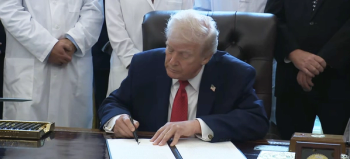
President Trump signed an executive order directing federal agencies to reclassify cannabis from Schedule I to Schedule III controlled substances.

Zacariah Hildenbrand, PhD and Adam Jacques delve into how genetics affect terpenes in the cultivar of a cannabis plant.
The partnership will offer age verification technology and more for Hemp Beverage Alliance members.
Zacariah Hildenbrand, PhD and Adam Jacques discuss how cannabis genetics affect cannabinoids.

A recent study found that medical cannabis may play a role in decreasing opioid use.

Two Senators reintroduced legislation to regulate hemp products in the US while protecting public health, safety, and businesses.
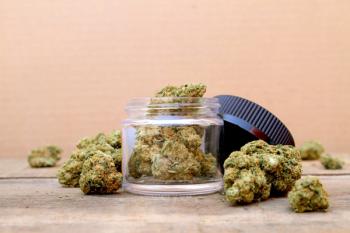
The new dispensary will operate under the Trulieve brand by Harvest Grows LLC, amid new legislation changes in the state.

President Trump may be issuing an executive order to reschedule cannabis.

Our top cannabis news topics this week: NY OCM executive director resigns, biosolids for hemp fertilizer, Ohio SB 56 approved by Senate, enforcing new hemp legislation, and patterns of CBD use for dogs.
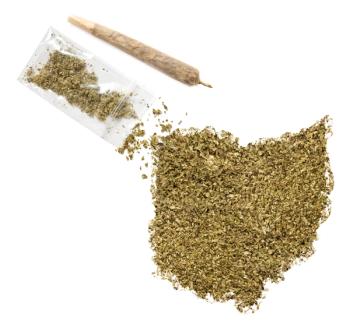
The Ohio Senate has approved Senate Bill 56 and has sent it to Governor Mike DeWine’s desk to become official legislation.

The report breaks down the structural challenges faced by the hemp markets in the region and highlights paths for growth.

The new CRS report outlines how enforcing the updated federal hemp definition and THC limits in products may be difficult for FDA and DEA.

New York OCM acting Executive Director, Felicia A.B. Reid, has been requested to resign from her position by Governor Kathy Hochul.
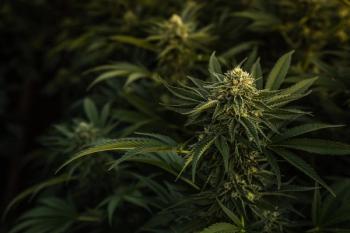
The cross-sectional analysis used hair follicle testing to determine THC use in individuals with schizophrenia, then compared MetS prevalence in cannabis consumers and non consumers.