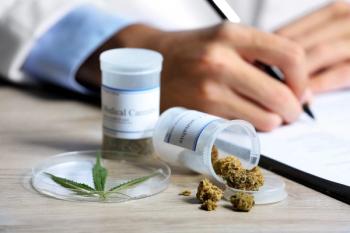
As of January 1, 2025, the medical cannabis program began Kentucky, opening the registry portal for patients and caregivers and enabling the state’s medical cannabis program to begin accepting applications. As explained in an overview on the website for the Kentucky Office of Medical Cannabis, Governor Andy Beshear had signed Senate Bill 47 on March 31, 2023, “as part of his effort to reduce Kentuckians' reliance on addictive opioids and provide them with relief from severe and chronic pain.”
Research was a popular topic throughout the year. This review examined medical professionals’ perceptions on their preparedness to discuss medical cannabis with patients. The study, “Physicians’ Knowledge, Attitudes, and Perceptions about Medical Cannabis in the United States: A Scoping Review,” was published in Medical Cannabis and Cannabinoids in May 2025.
Overall, the researchers suggested an increase in training based on the results of their review. “Implementing clear clinical practice guidelines, further education on these drugs in clinical curriculums, and enhancing continuing education offerings would improve prescriber confidence,” the researchers stated. “Increased research could also assist medical professionals in appropriate clinical decision making…In conclusion, effectively training current and future healthcare professionals on MC is a necessary step toward improving patient care and reducing potential stigma associated with medical versus recreational cannabinoid use.”
This placebo-controlled study from the Journal of Alzheimer’s Disease, explored the effects of sustained use of cannabis plant-derived cannabinoids with dementia patients. The research found that patients suffering from dementia that has been connected to Alzheimer’s disease (AD) experienced improvements with their cognition.
“In this trial, we report the administration of very low doses of cannabis extract to AD patients … significant[ly] alleviated cognitive loss over a 6-month follow-up period compared to the placebo group,” the study’s authors said. “Considering AD progression accentuated cognitive decline, we achieved with cannabis treatment remarkable disease stabilization in a half-year period.”
In December, the Texas Department of Public Safety (DPS) announced the beginning of Phase I of the Texas Compassionate Use Program (TCUP) expansion selection process. Nine new businesses have been selected to move forward for an additional due diligence evaluation.
The identified nine businesses, in various Public Health Regions across the state, will be subject to due diligence evaluations that include financial stability, litigation history, disciplinary actions, and any other information that is required by the department that follows Phase I of the selection process. Phase I consists of nine conditional licensees and three conditional licensees will be issued during Phase II by April 1, 2026.
On June 21, 2025, Texas Governor Greg Abbott had signed HB 46 into law which established the Lone Star State as the 40th state to legalize medical cannabis.