


The cannabinoids cannabidiol (CBD) and cannabidivarin (CBDV) showed antifungal activity in both in vivo tests and in vitro wound models.
The cannabinoids cannabidiol (CBD) and cannabidivarin (CBDV) showed antifungal activity in both in vivo tests and in vitro wound models.

Daniela Vergara, PhD, discusses the high genetic diversity of the cannabis genome and data legal challenges.

Nearly halfway through 2025, let’s revisit what new scientific updates and insights have been happening in the industry.

Here, we bring you our top five recent articles covering hemp restrictions in Alabama and Texas, data on medical cannabis patients and sleep apnea, FDA making psychedelics a top priority, and research on cannabis use and sperm quality.
Researchers analyzed data from 262 counties, identifying sociodemographic characterizations, associations, and discrepancies.
A recent study investigated whether cannabis use plays a role in sperm quality.
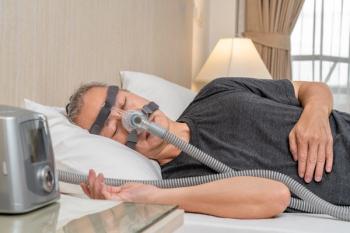
The report includes data from enrolled patients on products purchased, benefits, and side effects.
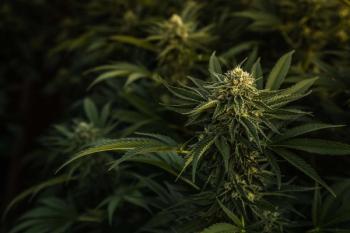
The study also identified a new cannabinoid in the plant, named cannabielsoxa.
Here, we bring you our top five recent articles covering cannabis legalization bills in Pennsylvania and Virginia, hemp regulation compliance in California, the first map of tribal cannabis and hemp programs, and a study on cannabis consumption and a sedentary lifestyle.
The Indigenous Cannabis Industry Association (ICIA) and Vicente LLP recently released the first-ever comprehensive map of Tribal cannabis and hemp programs.

The study examined data from nearly 20,000 individuals and found no link between cannabis users and non-users and levels of physical activity.

Congresswoman Dina Titus and Congresswoman Ilhan Omar recently introduced the Evidence-Based Drug Policy Act of 2025 to Congress, which hopes to change restrictions on cannabis research.

A recent study highlighted potential benefits for CBD to provide relief from chronic pain.

The survey asked about patient cannabis use, openness to discussing cannabis as part of treatment plans, and perspectives on substance use of physicians.
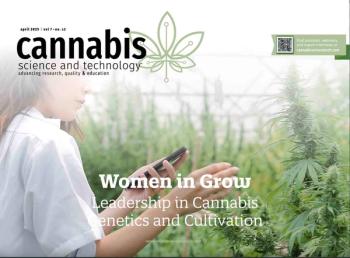
Daniela Vergara, PhD, delves into how she landed into the cannabis industry and the complexities behind the plant.
Researcher and educator Anna Schwabe, PhD, shares insights into her discoveries in cannabis genetics and their significance in the industry.
The large-scale analysis focused on the language of the studies to establish positive, negative, or neutral associations with cannabis and cancer.
The effect of orally ingested cannabis on information processing speed, sustained and divided attention, inhibitory control, and mental flexibility was measured.

Smoking remains the most common method of cannabis consumption, particularly for patients seeking rapid relief. Despite this, little is known about what defines a high-quality smokable product. This study investigated how varying water activity levels (0.45 aW, 0.65 aW, 0.85 aW) affect cannabis flower’s chemistry and perceived smoke quality. Chemical analyses showed that 0.65 aW yielded the highest terpene content and comparable cannabinoid delivery to 0.45 aW, while 0.85 aW significantly reduced cannabinoid levels. Sensory panelists noted minimal differences between 0.45 and 0.65 aW samples, though harshness and ash color varied. Higher water activity increased moisture and product weight—suggesting economic benefits for producers. These findings offer insights into optimizing water activity to balance chemical, sensory, and financial factors in cannabis production.

Economic incentives are driving dishonest laboratory test results, and there’s data to prove it.
A recent study found that high cannabis usage in colon cancer patients may experience increased mortality.

New York’s OCM releases 2024 Market Report of the state’s first two years of legal cannabis sales.

An upcoming study is seeking to investigate THC beverages as a wellness alternative to alcohol.
Here, we bring you our top five recent articles covering cannabis testing regulations, water usage in indoor cultivation, the PREPARE Act, delta-8-THC research, and a new grant program from the Minnesota Office of Cannabis Management.
Patients in Australia with chronic health conditions evaluated the effects on their quality of life, changes in pain, and more after 12 months of medical cannabis.