
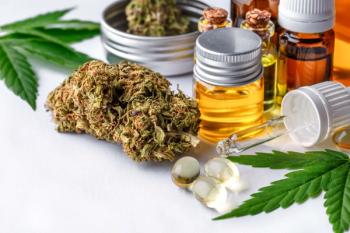
This webinar discussed recent research on medical cannabis for conditions such as alcohol use disorder and chronic pain, directed for attendees of all backgrounds.
This webinar discussed recent research on medical cannabis for conditions such as alcohol use disorder and chronic pain, directed for attendees of all backgrounds.

Yale researchers investigated in a recent study how cannabinoids can be used as an alternative chronic pain treatment without addiction risks and found that they can help lower pain signals in Nav1.8.

Here, we bring you our top four recent news articles, covering the cannabis and hemp beverage industry trends, cannabis hyperemesis syndrome, and research studies on brain function after cannabis use and on cannabis for inflammatory bowel disease.

This webinar explored trends, challenges, and marketing hurdles in the developing cannabis and hemp beverages industry.

Researchers analyzed data in a recent study, looking to examine how various levels of cannabis use effects brain function.

The study measured children’s exposure to in-home cannabis smoke through biomarkers in urine samples.

Metrc recently announced that they signed a new government contract with the US Virgin Islands for their new track-and-trace platform.

The survey analyzed responses from CBD users and non-CBD users on their symptoms and quality of life.
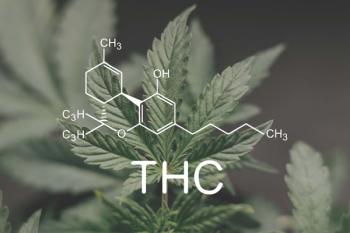
In a special Roundtable discussion, the Veterans Action Council (VAC) invited Dr. Ethan Russo to discuss this syndrome, its growing prevalence, research, potential dangers, and possible solutions.
Raw Garden announced recently that the company is looking to obtain their ECCO certification.
Here, we bring you our top four recent news articles, covering what's next in the DEA cannabis hearing, cannabis and opioids, the FDA's request for information on cannabis and pets, and Biden's pardons.
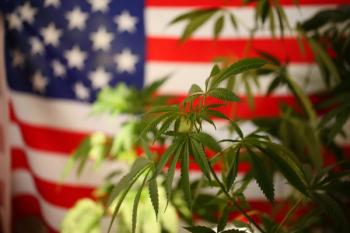
Two leading organizations, National Cannabis Roundtable and the US Cannabis Council are combining to create the new organization.
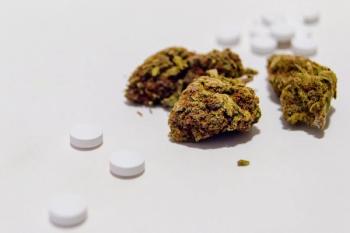
In this research overview, Ruth Fisher, PhD, explores how cannabis has shown promise in helping individuals reduce opioid use, potentially decreasing overdose deaths. Though its impact on chronic pain and opioid reduction remains evident, limitations exist and flaws in methodologies in ecological studies complicate conclusions.
The partnership aims to support research, education, and patient access, aligning with both companies’ missions.

Before leaving the White House, President Biden granted clemency to individuals with nonviolent drug-related offenses.
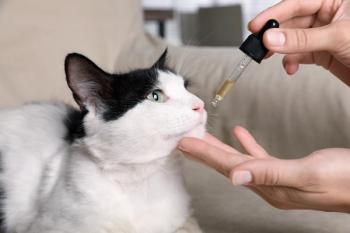
The FDA is seeking commentary from the public regarding the use of cannabis-derived products such as CBD, in veterinary practice.
Here, we bring you our top five recent news articles, covering delays in the cannabis rescheduling hearings, DoorDash’s expansion into hemp-derived products, and more.

Cannabix Technologies Inc. reveals new advancements in cannabis use detecting breathalyzer technology.
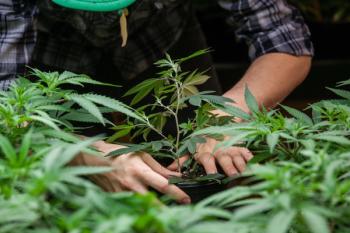
The internship will provide hands-on experience in medical cannabis cultivation in the country’s expanding medical cannabis market.

DEA Judge John Mulrooney II cancels upcoming cannabis rescheduling hearing, postponing cannabis reform.
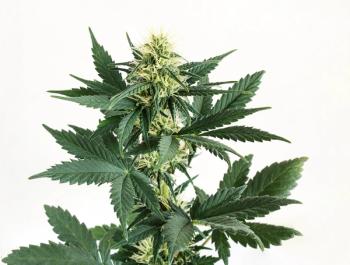
The facility will prioritize consumer safety, regulatory compliance, and high-quality cannabis products.

DoorDash in certain states is now offering on-demand delivery of hemp-derived THC and CBD products.
The Marijuana Policy Project examined national and state-level data on percentages of student cannabis use before and after cannabis laws were enacted.
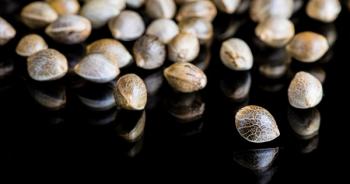
Blimburn Seeds announced recently their expansion in the United States.

Cannabis legalization and regulation was noted as an issue with longtime support of a majority of voters in the state.
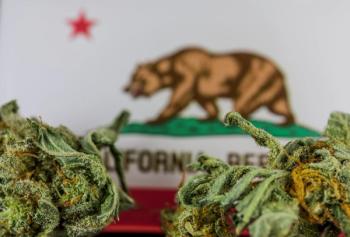
A new bill was introduced to California’s state assembly which would allow hemp-derived products with limited quantities of THC, alleviating the previous ban.

Kentucky launched its medical cannabis program on January 1, 2025, allowing patients with qualifying conditions to apply for ID cards.
Sales of recreational cannabis began a few months ago in the state.

A market report on hemp-derived CBD’s growing interest to be used in personal care and cosmetics, regulatory changes and natural and plant-based wellness products.
It’s that time of year again—the Cannabis Science and Technology (CST) top 10 articles from the previous year. CST published a wide variety of content throughout 2024. Here is just a small snippet of some of the top articles that our readers enjoyed. See if any of your favorites made the list!