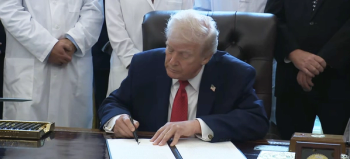
President Trump signed an executive order directing federal agencies to reclassify cannabis from Schedule I to Schedule III controlled substances.
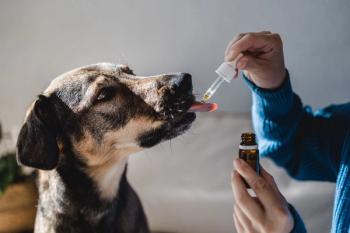
The study compared the effects of a 30-day regimen of CBD oil or a placebo oil on stress in university students, compared to no treatment.
Does a placebo effect play a role in stress reduction with a cannabis intervention? A recently published study aimed to test how a commercially available low-dose cannabidiol (CBD) oil compared with a placebo-oil and no treatment in reducing symptoms of stress in university students. Researchers noted that growing reviews suggest CBD can play a therapeutic role in mental health conditions such as stress, anxiety, and depression, though there is not enough evidence to recommend CBD for clinical use of psychiatric disorders.
In this study researchers ultimately determined that a placebo effect was present and could account for the effects of the treatment CBD oil. This was the first study of its kind assessing placebo effect of CBD oil for stress.
The study, “
For this randomized controlled trial, 166 university students aged 19–40 years old with depressive, subclinical symptoms received a daily sublingual dose of either CBD-oil (broad spectrum or full spectrum, to mimic a naturalistic user setting) or a placebo oil (pure hemp seed oil, no CBD) for 30 days. The groups were compared to a no treatment group as well. The doses started at 0.02 mg CBD/kg body weight and increased every three days until up to 1 mg CBD/kg body weight at day 30. All participants received the same information on the scientific evidence of CBD for psychological distress and how evidence is mainly based on basic findings.
The participants were students enrolled in a German university and recruited through an email advertising a study on CBD and stress, depressive symptoms, psychological distress and sleeping difficulties. Stress was measured using he Perceived Stress Scale-10 (PSS-10). Depression and anxiety symptoms were measured with the Depression Anxiety and Stress Scale 21 (DASS-21). Aiming to assess the role of treatment expectations in the intervention, the researchers had anticipated a more significant reduction in psychological distress in the CBD group. Secondary outcomes were anxiety, somatization, and well-being.
The researchers explained that elevated stress and psychological distress have been noted in university students, which can be a predictor of an increased risk for mental health disorders.
After 30 days, the groups differed in the decrease of stress, depressive symptoms and somatization, but not of anxiety, sleep quality, or an increase of wellbeing.
The researchers concluded that the benefits of a low-dose CBD oil as an intervention for psychological distress may be accounted for by a placebo effect.
The researchers highlighted how, in the placebo oil group only, the student rating of the treatment efficacy correlated with the expectation of the treatment: “Interestingly, treatment expectation was not correlated with the decrease of symptoms in the placebo group, but with a direct rating of treatment effects at post-treatment,” the researchers explained. The student expectations of the treatment seemed to play a role in the mechanism of the placebo effect to a certain degree, they added.
Reference