
News|Articles|December 2, 2025
Cannabis Use May Reduce Risk of Alcohol-Induced Liver Disease, Study Demonstrates
Author(s)Erin McEvoy
Listen
0:00 / 0:00
Key Takeaways
- Cannabidiol (CBD) may protect against alcohol-associated liver disease (ALD) by modulating the hepatic endocannabinoid system (ECS).
- Cannabis use, especially cannabis use disorder (CUD), is linked to a lower risk of ALD, hepatic decompensation, and all-cause mortality in individuals with alcohol use disorder (AUD).
The retrospective observational study examined the effect of cannabis on the risk of alcohol-associated liver disease in patients with alcohol use disorder.
Advertisement
Alcohol-induced liver injury may be reduced through modulation of the hepatic endocannabinoid system (ECS), a new study suggests (1). In particular, cannabidiol (CBD) may provide protective properties. The study explained that, through the CB1 and CB2 receptors, the ECS plays a role in the pathogenesis of alcohol-associated liver disease (ALD). The research aimed to examine the link between cannabis use and risk for ALD in individuals with alcohol use disorder (AUD). ALD has limited treatments, the study noted, and is a leading cause of liver-related morbidity and deaths globally. The study also noted that though experimental studies have shown there is potential for CBD to reduce alcohol-related liver injury through multiple mechanisms, there is still limited clinical use of CBD. The study, “
Study Design: AUD and Cannabis Use
To assess whether the cannabinoid system is a potential therapeutic target, the researchers analyzed de-identified data from the federated health research platform TriNetX US Collaborative Network, which combines data from 72 health care organizations in the US. The adult patients had been diagnosed with AUD, and were grouped by individuals with cannabis use disorder (CUD), cannabis users without CUD (CU), and non-users (non-CU). Categorizing heavier or more sustained cannabis use enabled insight into potential dose-response patterns.
The primary outcomes examined in the study were the development of alcohol-associated steatosis (AS), alcohol-associated hepatitis (AH), and alcohol-associated cirrhosis (AC). Secondary outcomes included hepatic decompensation and composite all-cause mortality.
Results: Cannabis Use Linked with Lower Risk
Overall, cannabis use was associated with a lower risk of ALD in patients with AUD. Highlighted results include:
- When comparing CUD to non-CU, CUD was associated with a significantly lower risk of AS, AH, AC, and composite ALD
- CUD was also associated with reduced risk of hepatic decompensation and all-cause mortality
- When comparing CU and non-CU, CU was associated with a significantly lower risk of AS, AH, and composite ALD
- CU was not associated with a lower risk of AC, hepatic decompensation, or all-cause mortality
- When comparing CU and CUD, CUD was associated with a significantly lower risk of AH, AC, and composite ALD
- No significant differences were seen in hepatic decompensation or all-cause mortality
“In this large, multi-institutional cohort of individuals with AUD, cannabis use was associated with a 40% hazard reduction in the composite ALD, including alcohol-associated steatosis, hepatitis, fibrosis and cirrhosis, as well as a 17% reduction in hepatic decompensation, and a 14% reduction in all-cause mortality,” the researchers concluded. “The risk reduction was observed across the ALD stages with a gradient of effect between CU and CUD.” The gradient effect may suggest a dose-response relationship, they added.
Limitations and Future Studies
One limitation to the study included a lack of direct measurement of consumption patterns. Additionally, though the study examined cannabis use, preclinical evidence supports the potential protective effects for the liver of CBD in particular, the researchers explained. They also noted that some studies involving CBD have found elevated liver enzyme levels.
Given these results and the safety profile of CBD, further studies on the cannabinoid’s potential for ALD should include dosing and treatment duration, the researchers concluded. “Our findings suggest that modulation of cannabinoid receptors may offer a new target for the development of pharmacological therapies for ALD,” they stated.
Reference
- Fakhoury, B.; Jahagirdar, V.; Rama, K.; Hudson, D.; Wang, W.; Díaz, LA.; Arab, JP. The Cannabinoid System as a Potential Novel Target for Alcohol-Associated Liver Disease: A Propensity-Matched Cohort Study. Liver International. 2025. 45(11). DOI:
10.1111/liv.70401 .
Advertisement
Related to this article
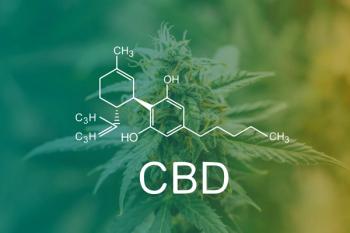
As part of the program, the company will offer CBD products to oncology patients, aiming to reduce costs and expand access for seniors.

President Trump signed an executive order directing federal agencies to reclassify cannabis from Schedule I to Schedule III controlled substances.
Our top cannabis news topics this week: Texas medical cannabis, first Native American-owned East Coast cannabis brand, pivoting with hemp manufacturing, low-dose CBD and stress, and alcohol-induced liver disease.

The research analyzed data from the Dog Aging Project, finding prevalence of use for certain conditions and behavior changes over time.

Let’s take a look at the 2025 cannabis coverage on medical cannabis research and medicine to catch up on industry trends and innovations.

Let’s take a look at the 2025 cannabis coverage on cannabis research to catch up on industry trends and innovations.

It’s that time of year again—the Cannabis Science and Technology (CST) top 10 articles from the previous year. CST published a wide variety of content throughout 2025. Here is just a small snippet of some of the top articles that our readers enjoyed. See if any of your favorites made the list!
Our top cannabis news topics this week: President Trump’s executive order on cannabis rescheduling, hemp regulation legislation, NY program using cannabis to reduce opioid use, cannabis genetics and cannabinoid profiles, and the latest cannabis research studies.
Advertisement
Advertisement