
|Articles|June 23, 2023

Royal Queen Seeds Releases Firsthand Accounts of New F1 Hybrid Seeds

Author(s)Erin McEvoy

International seed bank Royal Queen Seeds recently shared feedback from the first growers of their new F1 hybrid seeds.

After debuting their new F1 hybrid seeds earlier this year (1), international seed bank Royal Queen Seeds (RQS) shared results from releasing these seeds to homegrowers.

“Many cannabis seed companies market their seeds as F1 hybrids,” RQS said in a recent statement (2). “In the world of breeding, the term ‘F1’ simply describes the plants that make up the first generation following a cross. However, the majority of modern cannabis strains are created using unstable parents. This means they display inferior uniformity and lack the vigour of true F1 hybrids.”

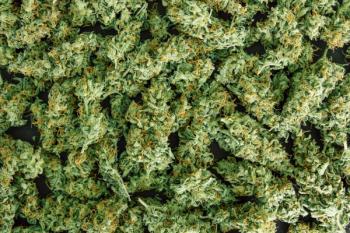
According to RQS, the first wave of growers of their new hybrid seeds noted the speed of the plants’ maturation, size, and predictability of shape, among other aspects (2). “Impressive potency and high resin production,” stated one review that RQS highlighted (2). “Hard and full with a wonderful smell,” was part of another highlighted review (2).

RQS stated that the new F1 hybrid plants will produce more tetrahydrocannabinol (THC) and terpenes and will also be less prone to disease (2).

References
  1. McEvoy, E. Royal Queen Seeds presented new F1 hybrids to industry https://www.cannabissciencetech.com/view/royal-queen-seeds-presented-new-f1-hybrids-to-industry (accessed Jun 23, 2023).
  2. Royal Queen seeds USA https://www.royalqueenseeds.com/us/ (accessed Jun 23, 2023).

Related to this article

2025 Medical Cannabis Roundup
Let’s take a look at the 2025 cannabis coverage on medical cannabis research and medicine to catch up on industry trends and innovations.
Image | adobe.stock/Stock Rocket
Let’s take a look at the 2025 cannabis coverage on cannabis research to catch up on industry trends and innovations.
Manipulating Cannabis Genetics: Pulling Levers to Increase  Phytochemical Composition
Cannabis genetics fundamentally dictate the plant's potential for chemical signatures, including cannabinoid and terpene profiles, and physical traits, such as yield. Cultivators use selective techniques, such as "stacking," to enhance specific compounds. Ultimately, successful cultivation involves balancing superior genetics with environmental "levers" to optimize gene expression and create targeted strains.
Image | adobe.stock/Maksim Kabakou
It’s that time of year again—the Cannabis Science and Technology (CST) top 10 articles from the previous year. CST published a wide variety of content throughout 2025. Here is just a small snippet of some of the top articles that our readers enjoyed. See if any of your favorites made the list!