
The 2025 YouGov survey data from more than 31,000 US adults show significant support for recreational cannabis legalization, medical use, and federal reclassification.
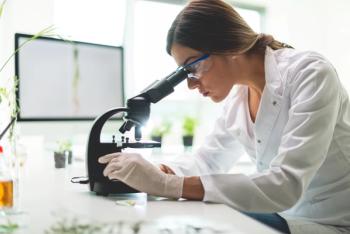
Thursday, December 16, 2021 at 2pm EST | 1pm CST | 11am PST Spectroscopy and chromatography are key analytical techniques in the organic laboratory. Understanding the ways to optimize organic analysis can often be the key to accurate results. In this webcast, the concepts for maximizing chromatography efficiency will be examined along with the helpful lab hacks and best practices to get the most out of organic laboratory analyses.
Register Free:
Event Overview:
Chromatography and spectroscopy are the most common analytical techniques in the organic laboratory. By understanding the operation and chemistry involved in these processes, the analyst can optimize their analyses and eliminate error. This presentation will explore ways to improve organic analyses with information regarding best practices and lab hacks to aid in the organic laboratory.
Key Learning Objectives:
Who Should Attend:
Speakers
Patricia Atkins
Senior Applications Scientist
Spex, an Antylia Scientific company
Patricia Atkins is a Senior Applications Scientist. She is a graduate of Rutgers University in NJ and was laboratory supervisor for Ciba Specialty Chemicals in the Water Treatment Division. Patricia later accepted a position conducting research and managing an air pollution research group within Rutgers University’s Civil & Environmental Engineering Department. In 2008, Patricia joined Spex as a senior application scientist in our certified reference material’s division and spends her time researching industry trends and developing new reference materials. Patricia has been involved with many industry focused advisory & regulatory groups including AOAC, ASTM, ACIL, NACRW and the Emerald Conference. She is a frequent presenter and speaker at numerous conference including NACRW, NEMC, Pittcon and AOAC and published author with her work appearing in various journals and trade publications including Spectroscopy, LCGC and Cannabis Science and Technology where she is a columnist for analytical issues in cannabis testing.
Register Free: