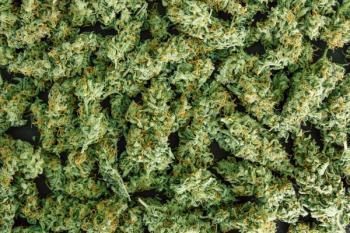
Cannabis potency can be determined using a number of analytical techniques. In this application note we will describe a
method using Gas Chromatography with a Flame Ionisation Detector (GC-FID). SCION also has application notes discussing other techniques such as HPLC (AN145) and GC-MS (AN142), these can be found on our website.
Helium has been the standard carrier gas for GC applications however, due to recent global shortages many companies are keen to find alternatives.[3] This application note will give a comparison between different carrier gases showing the variation in results between the two alternatives to Helium; Hydrogen and Nitrogen.
The 2025 YouGov survey data from more than 31,000 US adults show significant support for recreational cannabis legalization, medical use, and federal reclassification.
A lack of standards for cannabis vape devices puts consumers at risk, but several organizations are committed to the research, collaboration, and solutions needed to promote safety and quality in the industry.
Cannabis genetics fundamentally dictate the plant's potential for chemical signatures, including cannabinoid and terpene profiles, and physical traits, such as yield. Cultivators use selective techniques, such as "stacking," to enhance specific compounds. Ultimately, successful cultivation involves balancing superior genetics with environmental "levers" to optimize gene expression and create targeted strains.
It’s that time of year again—the Cannabis Science and Technology (CST) top 10 articles from the previous year. CST published a wide variety of content throughout 2025. Here is just a small snippet of some of the top articles that our readers enjoyed. See if any of your favorites made the list!